Shipbuilding and marine structures
Cathodic protection is also an essential technology in shipbuilding and marine infrastructure for preventing corrosion of metallic structures. It is widely applied to ship hulls, ballast tanks, bow thruster tunnels, and other submerged metallic components that are continuously exposed to aggressive marine environments. By applying an electrical current and/or installing sacrificial anodes, corrosion of the steel is effectively reduced, significantly extending the service life of the vessel and lowering maintenance costs.
In addition to ship hulls, cathodic protection is also used for offshore structures such as drilling platforms, as well as a wide range of harbour infrastructure, including locks, sheet pile walls, and jetties.
The following standards provide guidance for this field of application:
- NBN EN 16222:2012 Cathodic protection of ship hulls
- NBN 13174:2013 (ISO) Cathodic protection of harbour installations
- NBN 24656:2022 (ISO) Cathodic protection of offshore wind structures
This technology provides reliable protection against the damaging effects of saltwater corrosion, which is essential for the safety and efficiency of marine operations. Thanks to its versatility, cathodic protection is an indispensable solution for the maritime sector.

Cathec works with external partners and provides complete solutions:
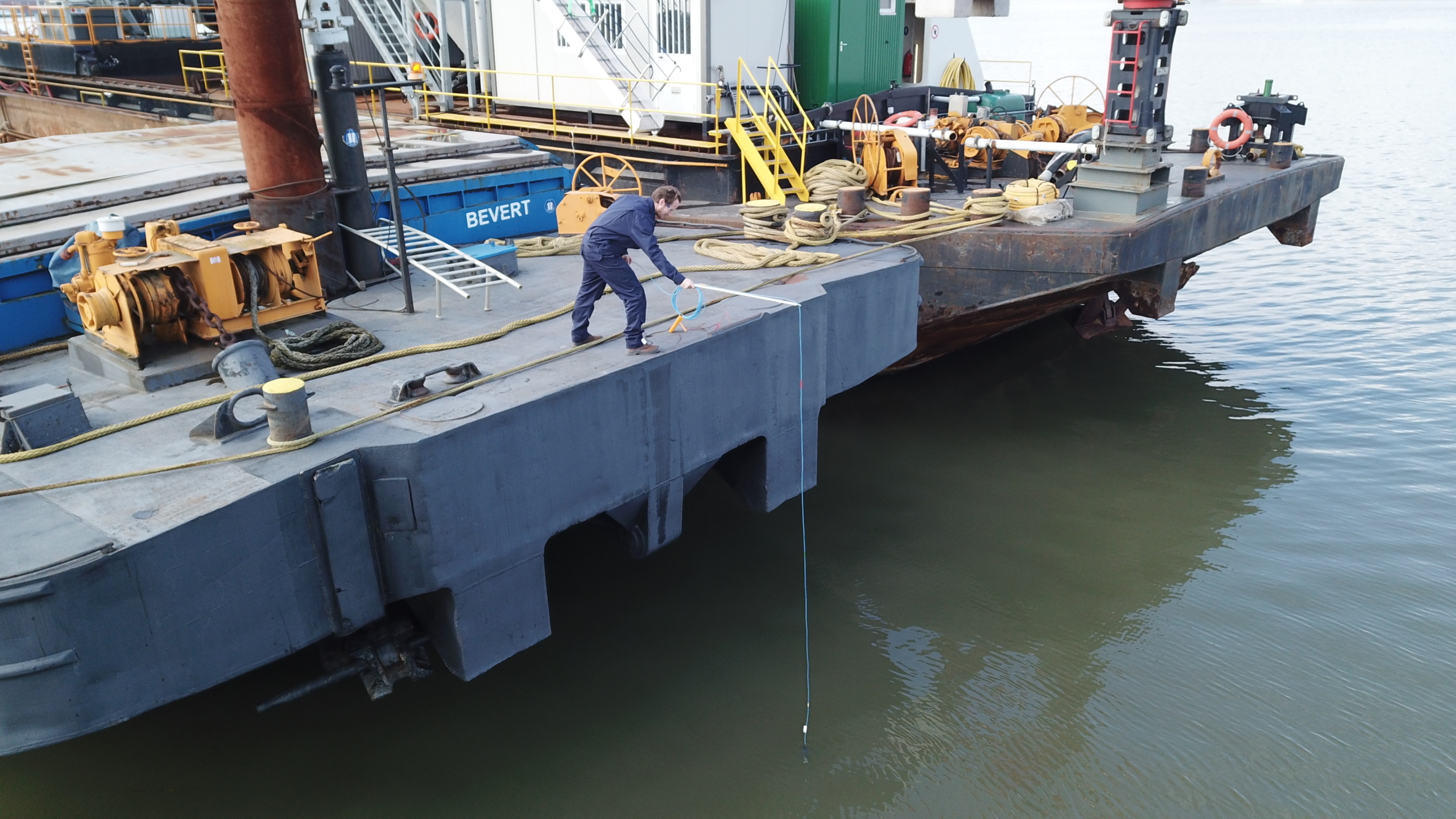
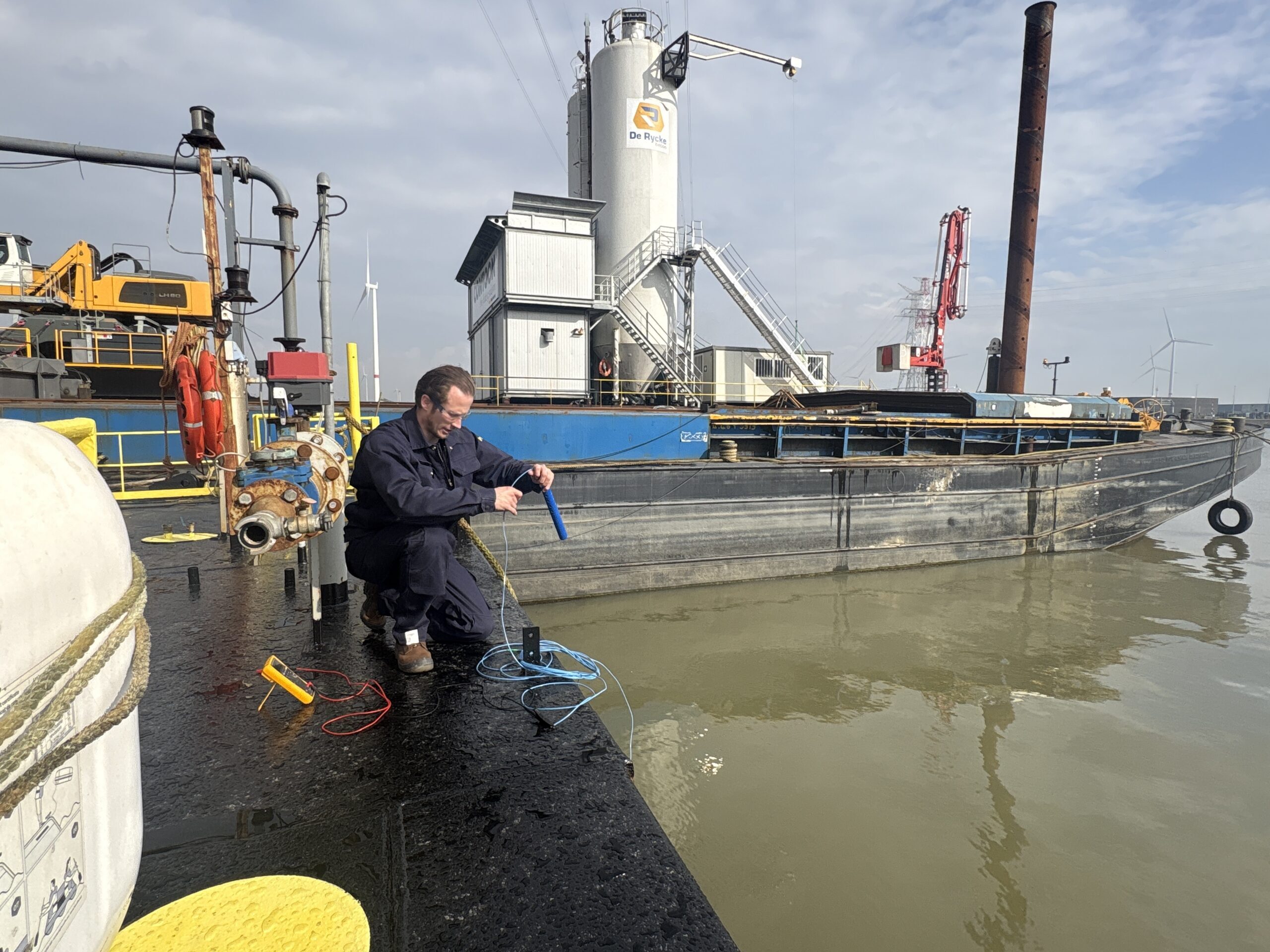
- Hull potential measurements using heat mapping
- Design studies and system sizing
- Fault detection, including stray current investigation, and system optimisation
- Installation of ICCP systems
Complete and reliable protection for ships
Choose permanent impressed current protection instead of periodically replacing sacrificial anodes
Corrosion of ship hulls has a significant impact on the service life, safety, and maintenance costs of vessels. Through our cathodic protection services, we support shipowners, shipyards, and vessel operators in the analysis, design, installation, and monitoring of efficient protection systems.
A key element of our approach is the performance of detailed hull potential measurements across the entire surface of the vessel. Based on a large number of measurement points, we create a 360° heat map visualising the potential distribution across the hull. This analysis makes it possible to identify underprotected or overprotected areas and assess the performance of existing systems.
Based on these measurement data, we carry out tailored design studies to determine the most suitable cathodic protection system. Factors such as coating condition, vessel geometry, operational profile, and environmental parameters including water conductivity and temperature are taken into account.
For implementation, we work together with experienced partners to install the system, both during dry-docking and, where required, through underwater installation by professional divers. We also support ongoing system performance through monitoring and inspections to ensure correct and reliable operation.
Where deviations are detected, we also perform targeted fault analysis, including investigation of:
- stray currents and external electrical influences;
- defective or poorly functioning anodes;
- issues with current distribution or reference electrodes.
Using specialised measurements, we identify the root cause and propose targeted corrective measures to restore optimal system performance.