Pipelines
Long-Term Protection for Critical Utility Infrastructure
Cathodic protection is widely used for pipelines to prevent and control external corrosion. For these applications, we work in accordance with standards such as NBN EN 13636:2004 – Cathodic protection of buried metallic tanks and related piping and AMPP SP0169-2024 (formerly NACE SP0169) – Control of External Corrosion on Underground or Submerged Metallic Piping Systems.
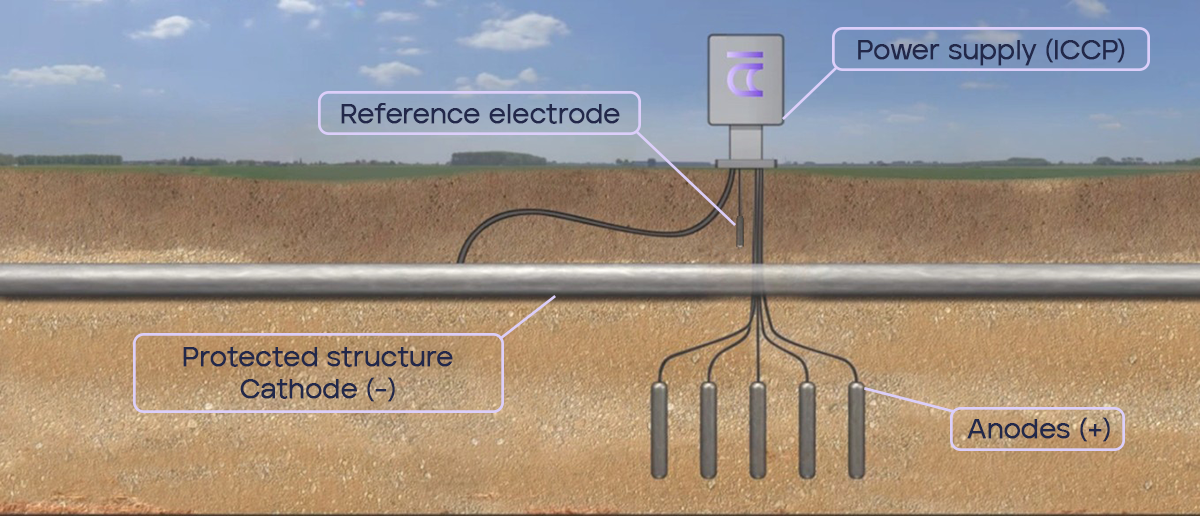
Metallic pipelines in contact with moist soil or water are not only continuously exposed to environmental conditions, but may also be affected by stray currents, for example from nearby railway systems.
For these applications, we typically apply an impressed current cathodic protection system with a deep anode groundbed, designed to deliver the required continuous DC protective current based on the results of the engineering assessment. The protection current can be adjusted automatically or manually, including remotely, to maintain the required level of cathodic protection and ensure reliable long-term corrosion control.
Cathec provides:
- Rectifiers (transformer and SMPS)
- Deep-well anode beds
- Coke backfill
- Reference electrodes and coupons
- Enclosures and cabling
- Telemetry
- Groundworks
- Maintenance
Protection and inspection of critical pipelines
Tailored cathodic protection as the ultimate corrosion prevention
Our pipeline services focus on the analysis, design, implementation and optimisation of cathodic protection systems for buried pipelines.
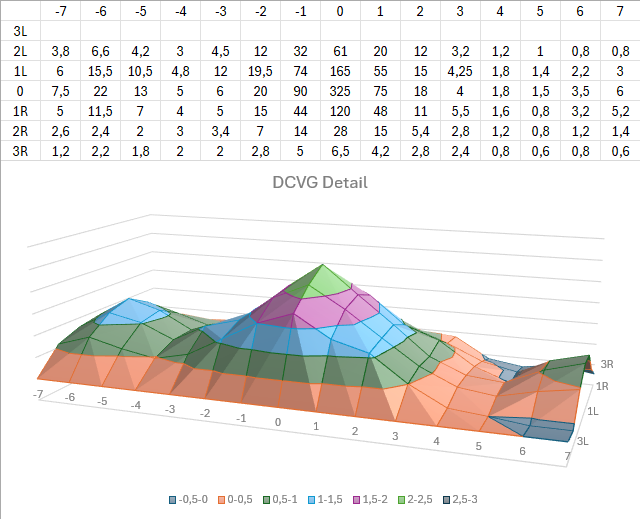
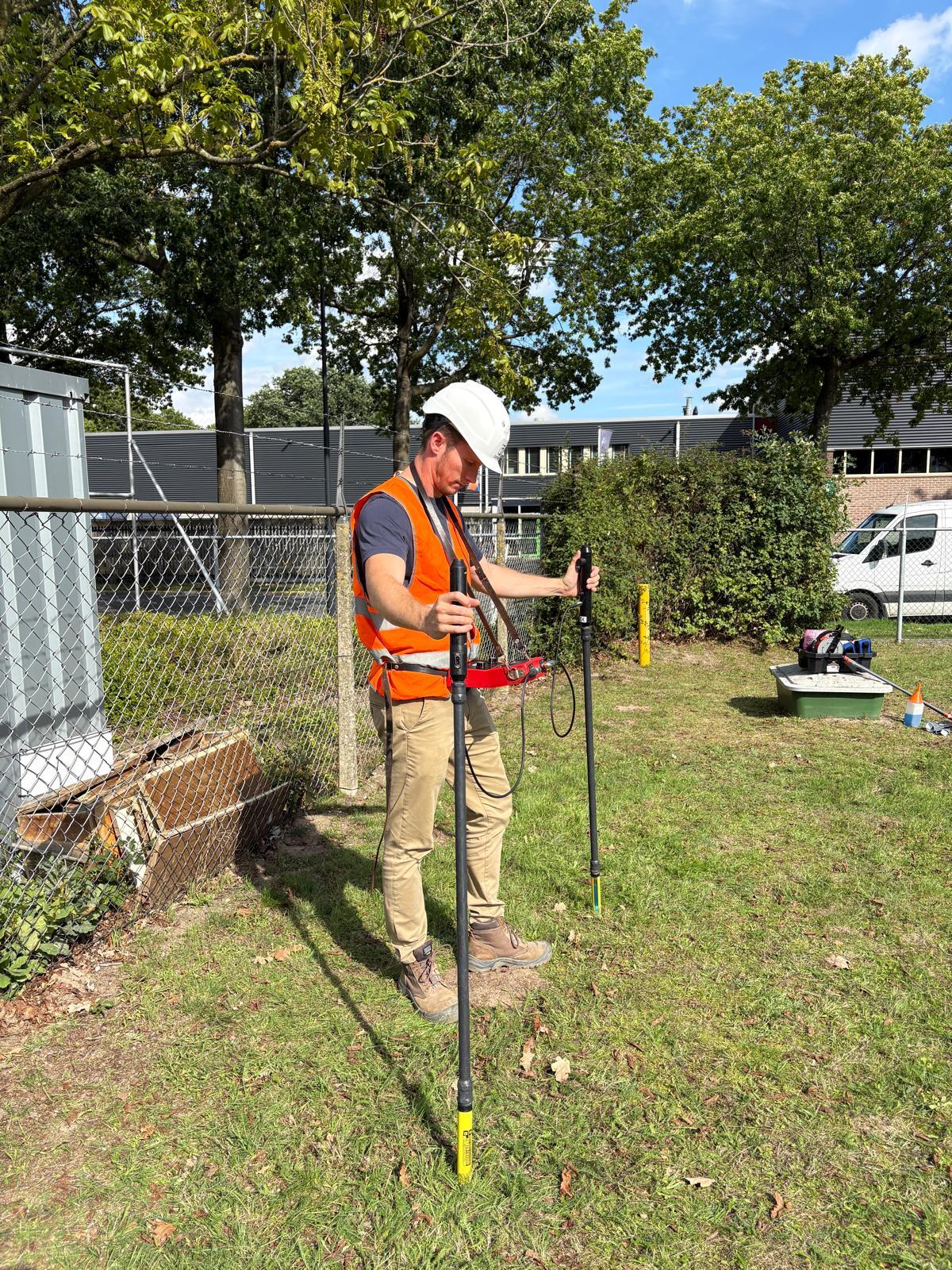
We perform Non-Intrusive Pipeline Assessment (NIPA) using specialised above-ground survey techniques such as DCVG and CIPS. Both techniques complement each other and enable the condition of the coating and cathodic protection system to be assessed without exposing the pipeline.
With Direct Current Voltage Gradient (DCVG) surveys, we locate coating defects along the pipeline route. By measuring voltage gradients in the soil, coating damage can be accurately detected, recorded and classified. DCVG is therefore particularly suitable for commissioning surveys of new pipelines, condition assessments of existing coatings and the targeted prioritisation of coating repairs.
Close Interval Potential Survey (CIPS) provides additional insight into the level of cathodic protection along the entire pipeline route. This allows areas with insufficient protection to be identified and the performance of the cathodic protection system to be accurately evaluated.
We also provide data logging using coupons and periodic potential measurements to monitor the performance of cathodic protection systems and identify trends at an early stage.
In environments with electrical infrastructure, we assess potential AC interference and develop appropriate mitigation measures. We also design and implement surge protection to protect installations against lightning and electrical disturbances.
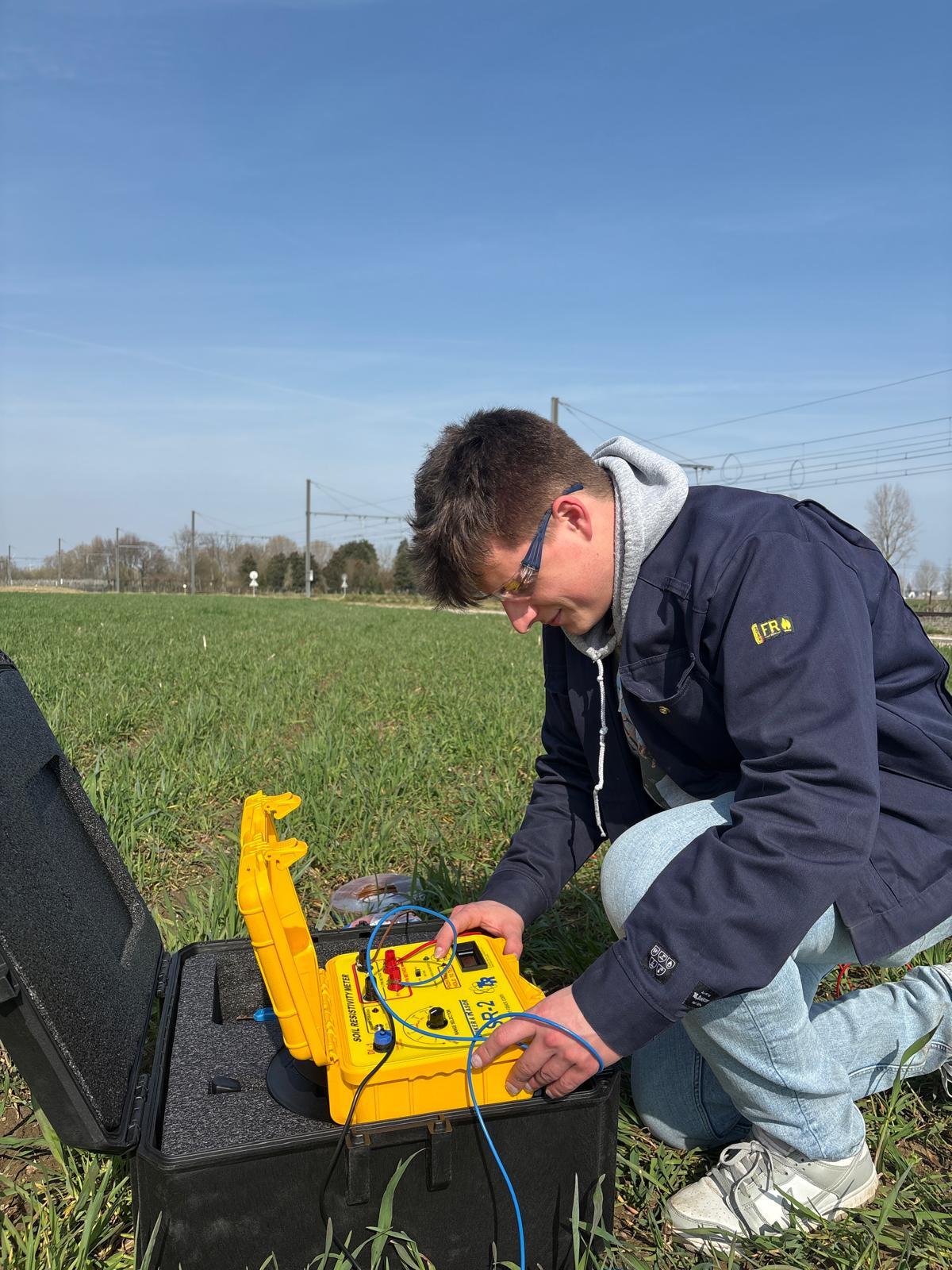
From the concept stage onward, we support the design and dimensioning of cathodic protection systems, including current requirement calculations and system configuration. During execution, we construct anode beds through excavation works, either as distributed surface anode beds or remote deep-well anode beds, depending on the local conditions.